
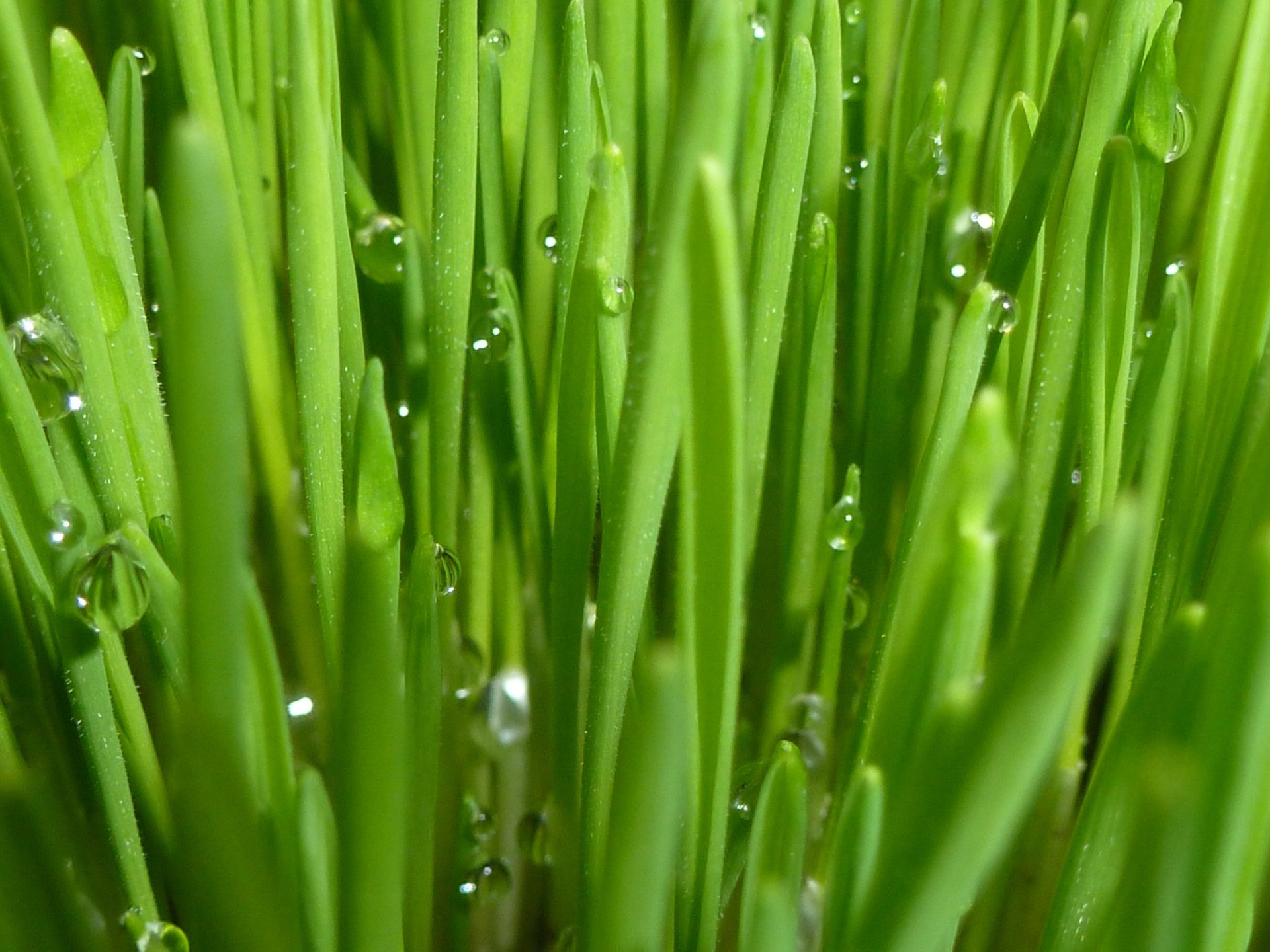
Barley grass
Barley grass is a young, tender, green shoot that grows on the barley plant. It is associated with a range of health benefits, including the relief of ulcerative colitis and the strengthening of the immune system. It also promotes healthy skin, has a rejuvenating effect on the whole body and offers further positive benefits. The high superoxide dismutase content in barley grass makes it a miracle cure! Find out more about all the benefits of this grass here.
Barley grass
Barley grass is one of the earliest cultivated sweet grasses in the world, and its history can be traced back to 5000 BC. Its nutrient-rich profile and multifaceted benefits were just some of the reasons for its popularity among the ancient Greeks and Romans. Recently, it has not only been used as animal feed but has also enjoyed great popularity worldwide due to its health-promoting properties.
Barley Grass Nutritional Information
Barley is a nutrient-rich superfood containing vitamins such as vitamin A, B vitamins, thiamine, riboflavin, niacin, vitamin B6, folate, vitamin C (ascorbic acid), vitamin E (alpha-tocopherol) and vitamin K (phylloquinone). It contains electrolytes, including magnesium, phosphorus and potassium, as well as other important minerals such as zinc, iron and calcium. Barley grass is also a rich source of powerful antioxidants, essential amino acids and beneficial enzymes. It also provides the body with valuable fibre and contains no cholesterol.
Health benefits of barley grass
Barley grass can be consumed as a juice made from cereal grass shoots or in the form of green powder produced by spray-drying the grass. It provides relief for a range of health conditions, which are described below:
Potential antioxidant power
Barley grass has an impressive antioxidant content; in addition to vitamin E and beta-carotene, barley grass is a potent source of the important enzyme superoxide dismutase, which can help neutralise the effects of free oxygen radicals produced during energy metabolism. The protective effect of these free radical scavengers can help prevent and delay the development of a variety of chronic diseases caused by oxidative stress.
May help relieve ulcerative colitis
Barley grass is a valuable herb in the treatment of ulcerative colitis, thanks to its stimulating effect on gut-friendly bacteria. It has been shown to help relieve inflammation and other symptoms associated with ulcerative colitis by reducing the triggering chemicals in the gut. This nutrient-rich food can also help to balance the gut’s fluid levels and flush accumulated toxins from the body.
May boost immunity
Barley grass can help to strengthen the body’s immune defences. Regular consumption provides the essential nutrients required for optimal production of immune cells in the body. An effective and strong immune system combats infections and prevents the development of chronic inflammatory diseases.
May have anti-cancer potential
Barley grass has been tested in various diets for the prevention of chronic diseases. In a study published in the Biomedical Journal in 2017, Korean researchers found that barley grass extract induces apoptosis in breast and prostate cancer cells and could be useful in therapeutic interventions for cancer treatment. Whilst these results are promising, its anti-cancer properties have yet to be fully researched.
May protect against UV radiation
Another beneficial effect of barley grass is its potential to protect against the cell-damaging effects of UV radiation. Thanks to the presence of superoxide dismutase enzymes, it has a therapeutic effect on cells that have already been damaged.
Some attribute this to the presence of chlorophyll, which can improve resistance to radioactivity and promote the production of new blood cells. For this reason, it is generally recommended to drink barley grass juice before and after X-ray exposure to provide additional protection (along with suitable personal protective equipment) against radioactive damage.
Can help combat addiction
Barley grass is also regarded as a home remedy for combating various types of addiction. The glutamic acid it contains is said to curb cravings for alcohol, coffee, nicotine, drugs and even sugary sweets. However, in the case of harmful addictions, it is advisable to consult a doctor in conjunction with this home remedy therapy.
Can reduce the signs of ageing
Barley grass is considered a natural way to stimulate cell regeneration without side effects – and to reduce the signs of ageing. Essential components such as chlorophyll, vitamin B, iron and phycocyanin, a blue pigment found in barley grass, improve bone marrow function and support the production of white and red blood cells. This rejuvenating effect of barley grass also helps to reduce the signs of skin ageing by revitalising ageing cells and helping to maintain healthy, youthful skin.
Culinary Uses
Barley grass is used worldwide in soups and stews, as well as in the production of barley bread. Barley is also used to make malt products such as malt milk, wine and beer.
In addition to an impressive range of uses for humans, barley grass is also used to produce hay and animal feed.
Warning: Although barley grass is generally safe, some people may be sensitive to barley grains, experiencing symptoms such as vomiting, itching and a burning sensation in the throat and mouth. These individuals should avoid consuming barley grass or consult a medical professional to better understand whether this is an allergy.
Gluten in grains
Whilst pure barley grass without grains contains no gluten at all, people suffering from coeliac disease should generally avoid barley products made from this grain, as they may contain gluten protein. Coeliac disease impairs the body’s absorption of essential nutrients and can lead to serious complications affecting the brain, liver and nervous system.
It is always advisable to exercise natural caution before trying barley grass for the first time, especially if sensitivity is unknown. In specific circumstances such as pregnancy and breastfeeding, it is recommended to consult an expert to understand the correct dosage and effects of barley grass and to avoid complications.